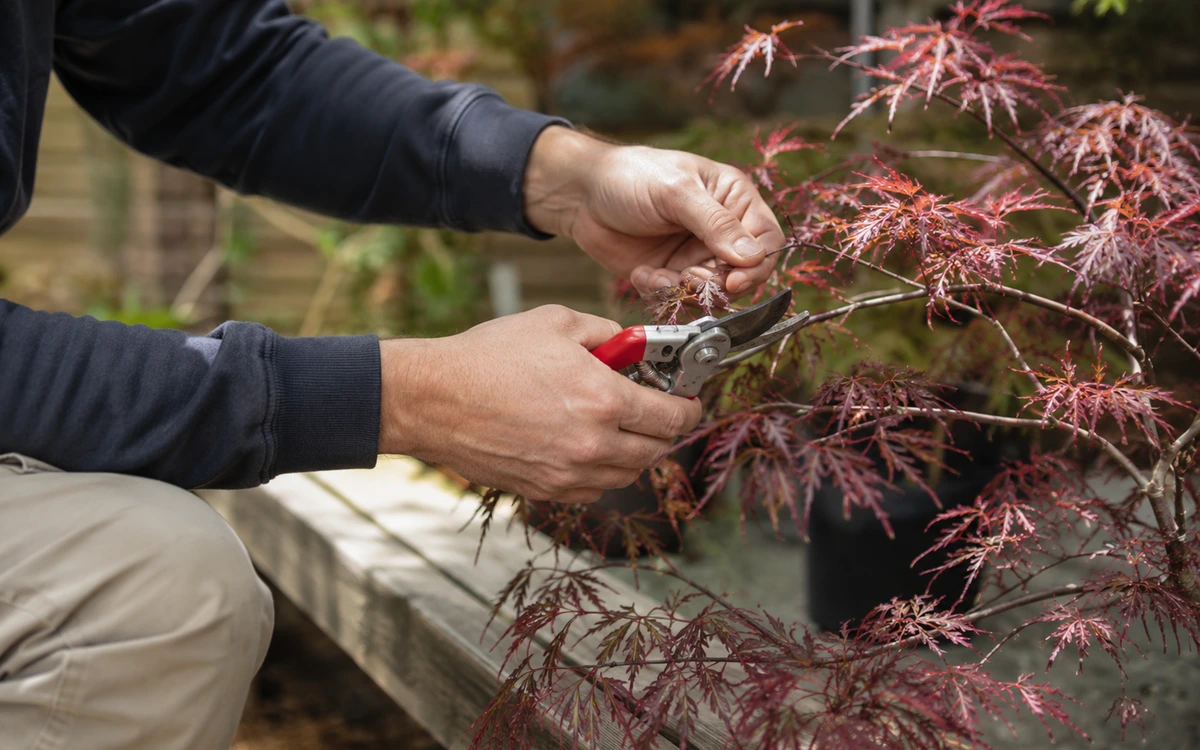
We provide professional japanese maple pruning services in Champaign, IL for overgrown, crowded, or poorly formed branches that affect canopy shape, airflow, and tree health. Selective pruning removes crossing limbs, opens the canopy, and preserves the tree’s natural structure for balanced growth and appearance. Request a quote today.
What Is the Best Time of Year to Prune a Japanese Maple Tree?
The best time to prune a Japanese maple is typically late winter or midsummer when the tree is dormant or growth has slowed. Avoid heavy pruning in spring because active sap flow can cause bleeding and stress the tree.
How Do Central Illinois Seasons Affect Japanese Maple Pruning Around Champaign?
Humid summers and winter temperature swings can influence canopy growth in Japanese maples across Champaign landscapes. Properties near the Boneyard Creek corridor and neighborhoods around the University of Illinois arboretum areas often feature ornamental trees in established yards. Pruning helps maintain structure and improve airflow.
Why Is My Japanese Maple Getting Dense or Losing Its Shape?
Japanese maples become dense when interior branches, water sprouts, and crossing growth are left unmanaged. Selective thinning improves airflow, preserves the layered structure, and helps maintain the tree’s natural form.
Can You Reduce the Size of a Japanese Maple Without Ruining It?
Yes, a Japanese maple can be reduced carefully without damaging its appearance when cuts are made selectively instead of shearing the canopy. Over-cutting or topping usually causes weak regrowth and destroys the tree’s shape.
Should Dead or Crossing Branches Be Removed From a Japanese Maple?
Yes, dead, rubbing, and crossing branches should be removed because they create wounds, crowd the canopy, and reduce airflow. Cleaning out damaged growth also lowers the risk of disease and branch failure.
Japanese Maple Thinning Vs. Shaping Pruning: What’s the Difference?
Thinning removes interior branches to open the canopy, while shaping pruning adjusts the outline and structure of the tree. Most Japanese maples benefit more from light thinning than aggressive shaping cuts.
How Much of a Japanese Maple Can Be Pruned at One Time?
Japanese maples should usually have no more than about 15–20% of the canopy removed during one pruning session. Removing too much growth at once can stress the tree and trigger excessive sprouting.
How Much Does Japanese Maple Pruning Cost in Champaign, IL?
Japanese maple pruning costs in Champaign, IL typically range between $265 and $1,125, with typical pricing depending on tree size, canopy density, accessibility around the pruning area, and whether the work involves selective shaping, thinning, or structural correction. Pricing can also vary based on tree age and form, the amount of deadwood removal required, and whether specialty pruning is needed to preserve branch structure and ornamental appearance.